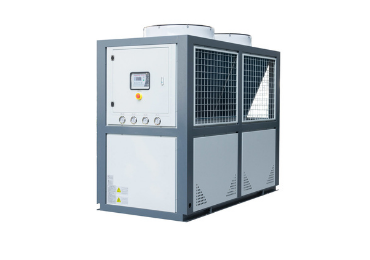
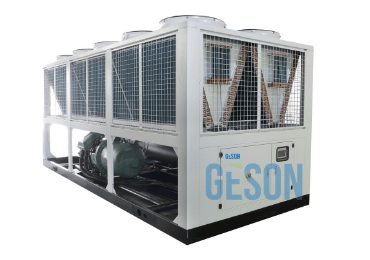
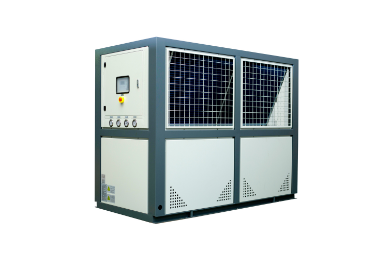
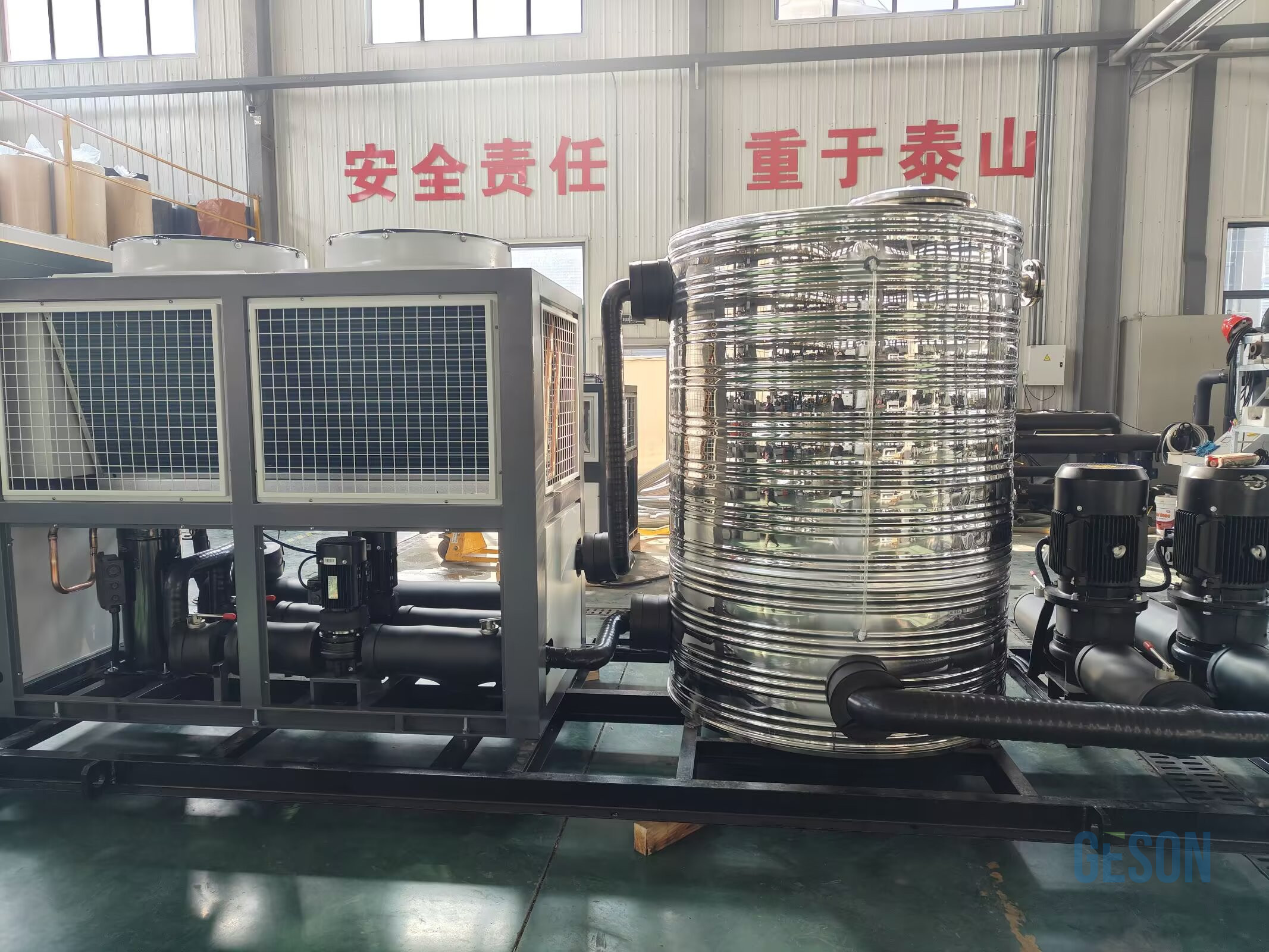
plastic chiller for injection molding banner
injection molding Chillers

Injection Molding Chillers for Plastic Industry

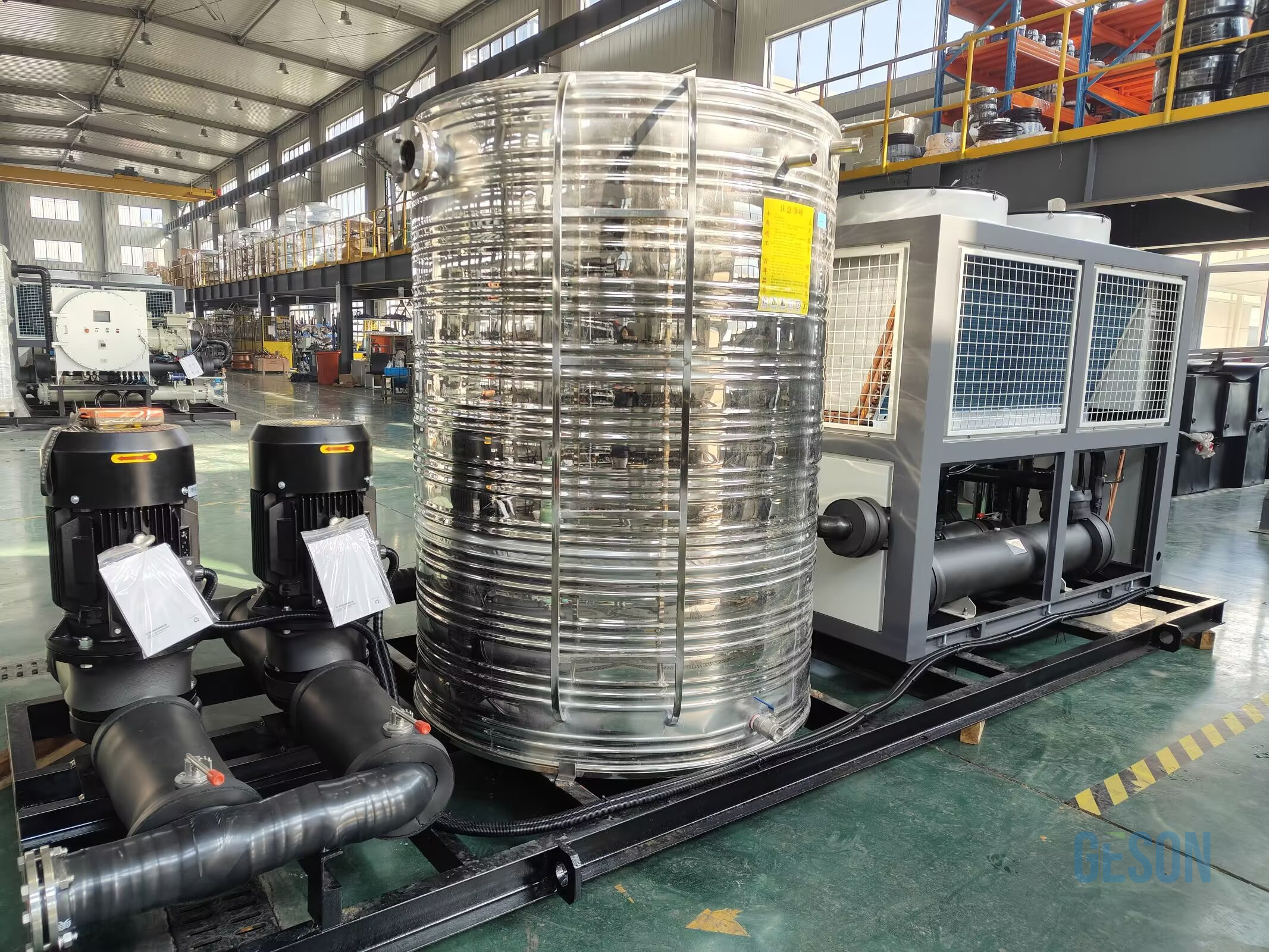
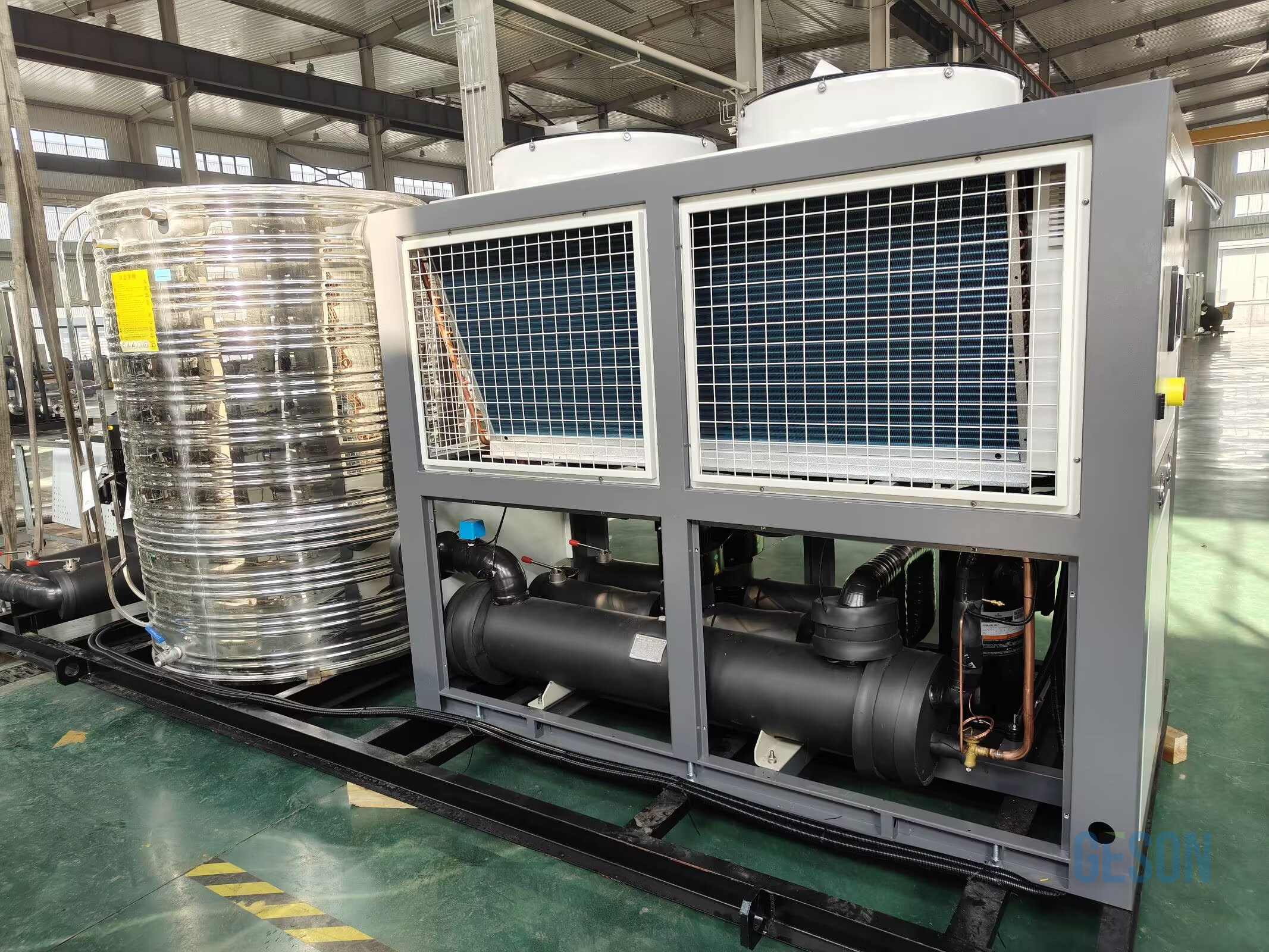
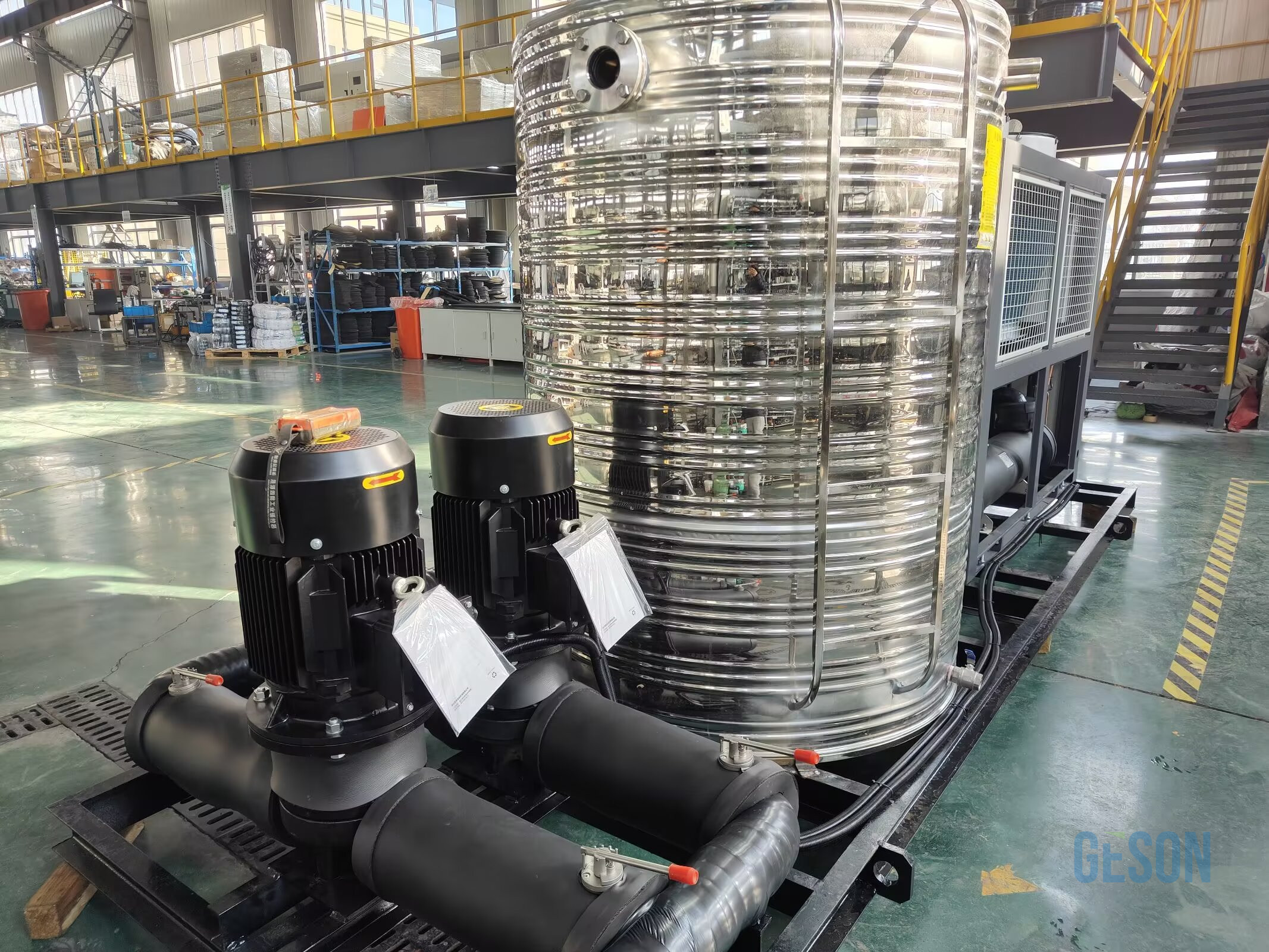
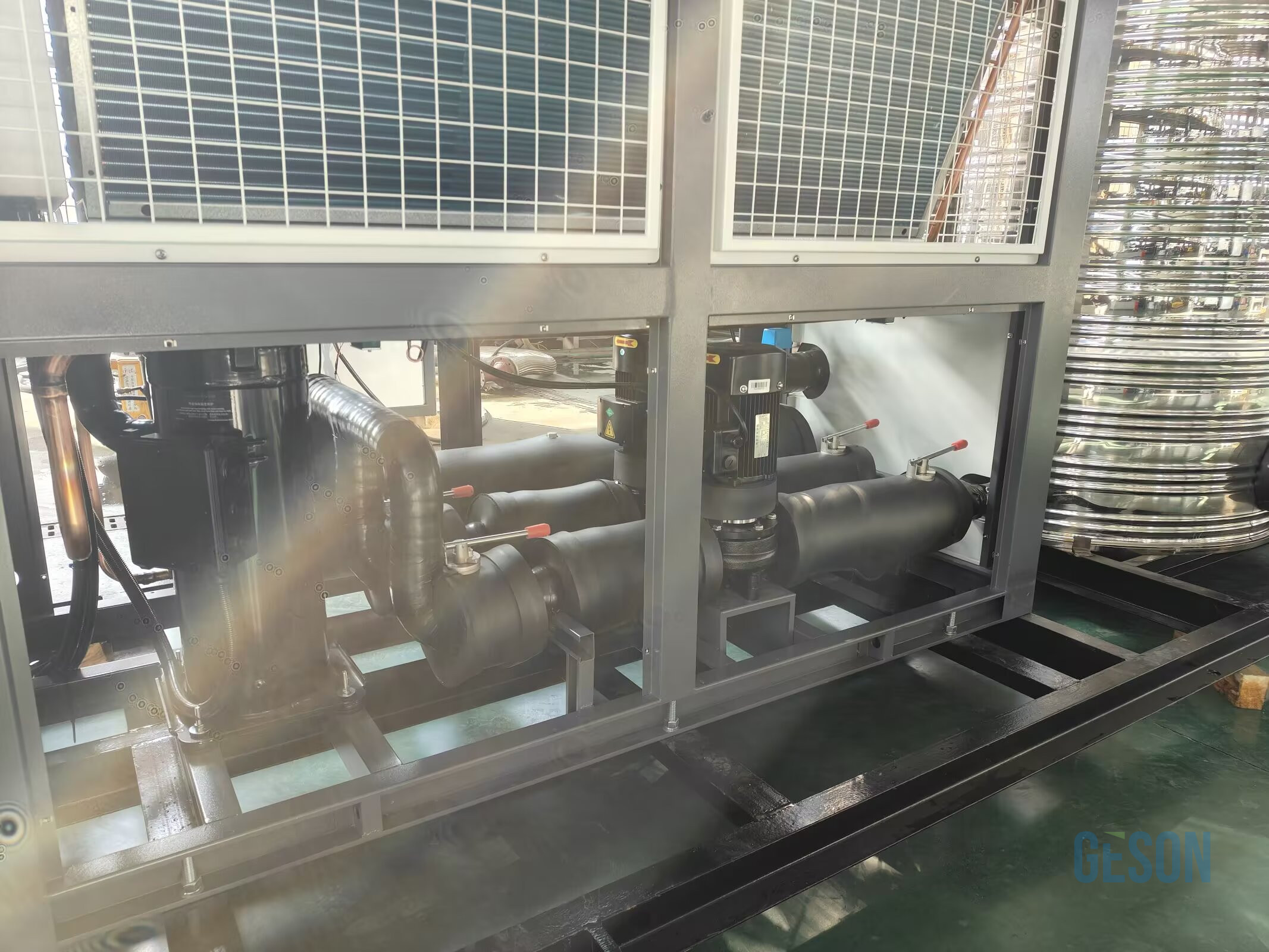
2 ton Chiller to 100 tons Chiller,Precise Temperature Control, Packaged in Water Pump and Water Tank, Convenient to Maintenance

injection molding Chillers

Injection Molding Chillers for Plastic Industry

2 ton Chiller to 100 tons Chiller,Precise Temperature Control, Packaged in Water Pump and Water Tank, Convenient to Maintenance

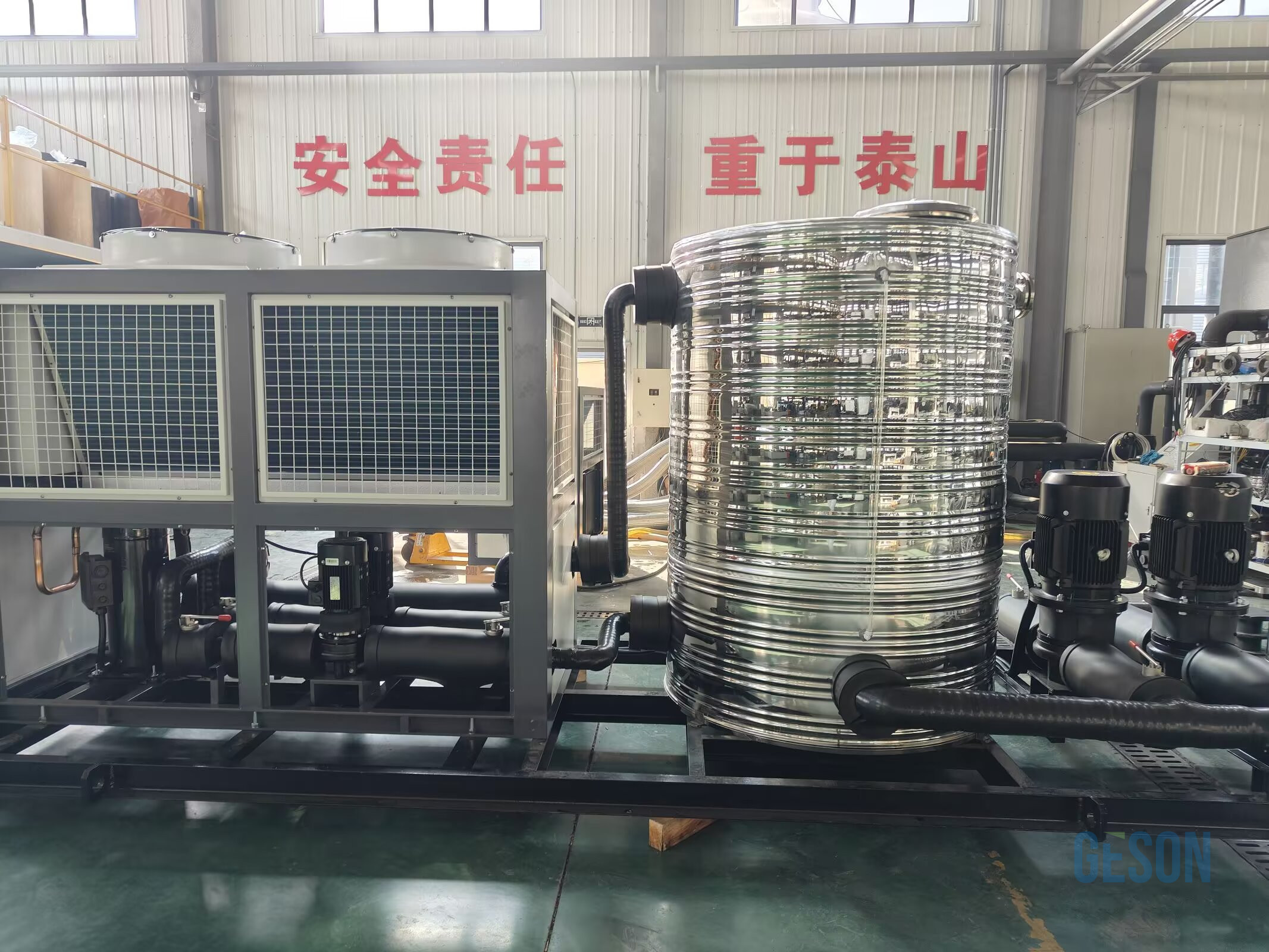
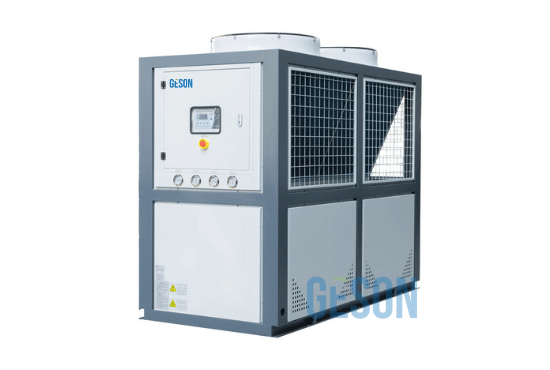
portable chillers for injection molding

Portable Chillers for Injection Molding

  • 5RT-60RT Capacity
  • 5~25℃ Outlet Temperature
  • Package Design
  • No Need Cooling Tower
  • Easy to Installation

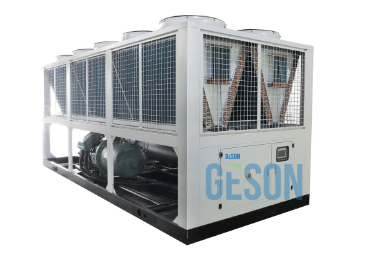
Chiller Plant For Injection Molding Machine

Chiller Plant For Injection Molding Machine

  • 20TR~570TR (70KW~2000KW)
  • -5C~20C Chilled water temperature
  • Semi-hermetic screw compressor
  • SIEMENS PLC controller
  • R22/R134A/R407C/R410A options

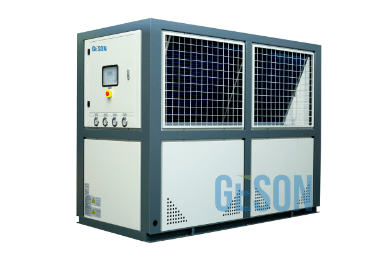
injection molding cooling systems

Injection Molding Cooling Systems

  • 1RT-80RT Capacity
  • 15℃ Outlet Temperature
  • Built-in Water Pump/Tank
  • No Need Cooling Tower
  • Easy to Maintenance

Why Choose Geson Injection Molding Chiller?

If you are finding industrial injection molding and blow molding chillers for your plastic process cooling system.

Geson water cooled chiller for injection molding machine can meet all your varied of requirements.

Here, you will have the ultimate economical injection mold chiller solution.

From the professionally experienced R&D team, you will satisfy the industrial water cooled chiller system.

We can supply the following types of industrial water chiller:

Screw Chillers
Centrifugal Chillers
Rotary Screw Chillers
Scroll Chillers.

You can get the following services:
Customize chiller types, compressor types.
Precious proper cooling temperature.
The most suitable economical refrigerant.
The OEM brand for your brand.
Stable operation with 40000 hours failure-free.
Customize the voltage as your need.

Contact our engineer, to get the right solution for your plastics industry injection molding applications.

GESON Chillers for the Plastic Industry

Top Brand Components  
Ensure Your Top Quality Chiller
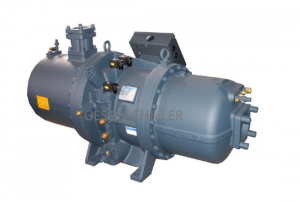
Top Quality Screw Compressor With Certificate

Adopts Famous Brand Compressor;
Semi-hermetic 5:6 Screw Compressor;
Compressor Energy Efficiency is 20%~30% Higher;
Available with R134A/R407C/R410A/R510A and etc.
40000 Hours of Trouble-free Operation
Screw Compressor has Approved ISO9001, CRAA、CE、PED、UL Certification;

Screw Compressor

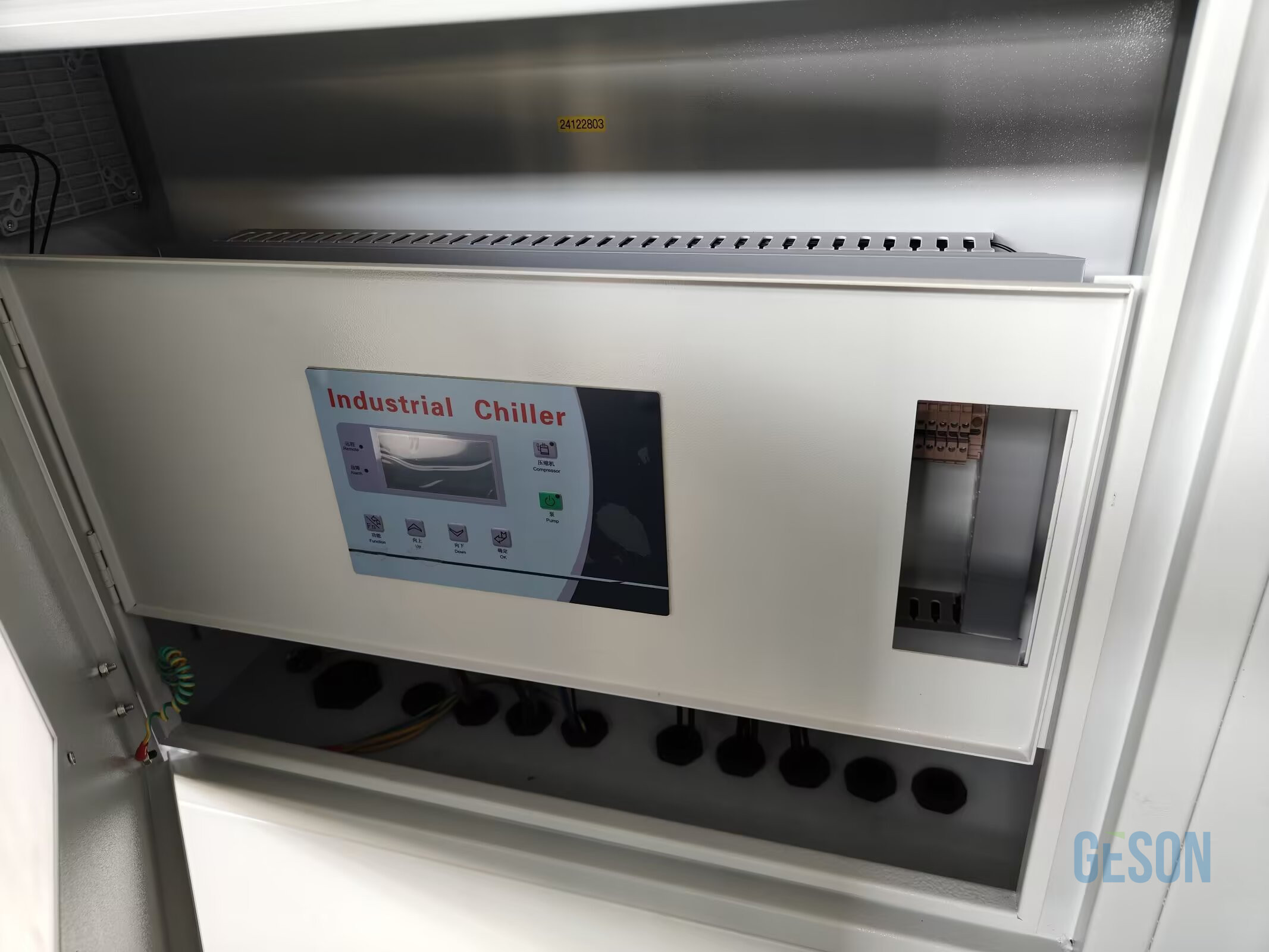
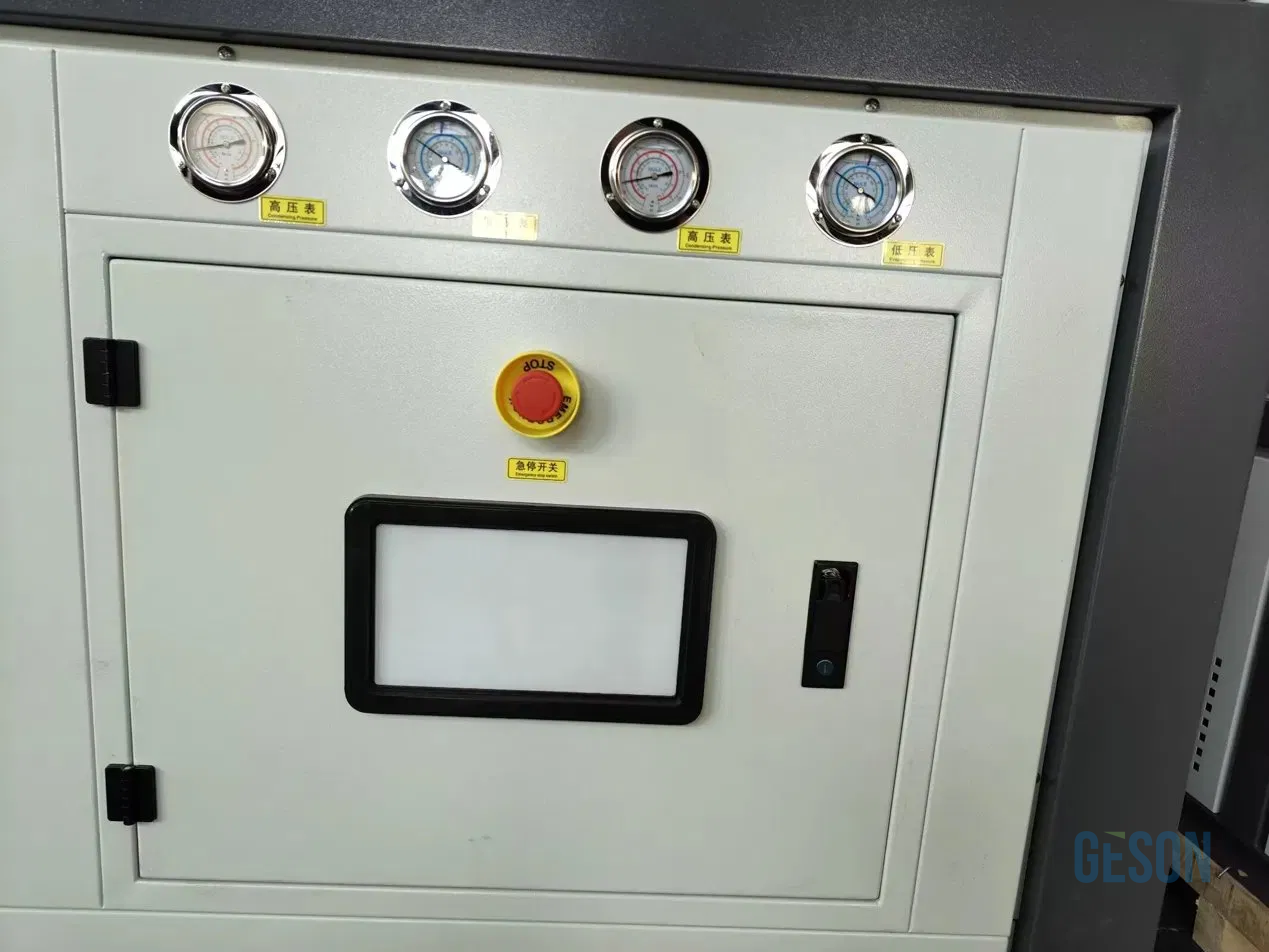
Reliable Microcomputer Control System
PLC Programmable Controller
LCD Touch Controller
Automatic Detection of Cold Water Outlet Temperature;
Automatic Detection of Operating Conditions;
Automatically Record the Alarm and Send Trouble Alarm;
Can Realize Remote Control;
Reserve RS-485 Communication Interface, or Ethernet Port;
Customize Display Language: Chinese, English, Russian, Spanish;
PLC Programmable Controller
High-efficiency Shell and Tube Heat Exchanger
Low Maintenance Cost, Easy Operation;
Long Cleaning Cycle and Convenient Cleaning;
Fast Heat Exchange Speed;
High-Temperature Resistance 400℃;
High-Pressure Resistance 2.5Mpa;
Can be Used Under High Temperature and High Pressure
Adopts Copper Tube with Rolled Fins on the Outer Surface,
Which Has High Thermal Conductivity and Large Heat Exchange Area;
Long Service Life Up to More Than 20 Years;
Shell and Tube Heat Exchagner
Brand Refrigeration Components:
Famous Brand Expansion Valve;
Brand Filter Drier
Has Electronic Expansion Valve
Or Thermoexpension Valve
Ensure the Stable Operation of the Industrial Water Chiller Unit.
Expansion Valve
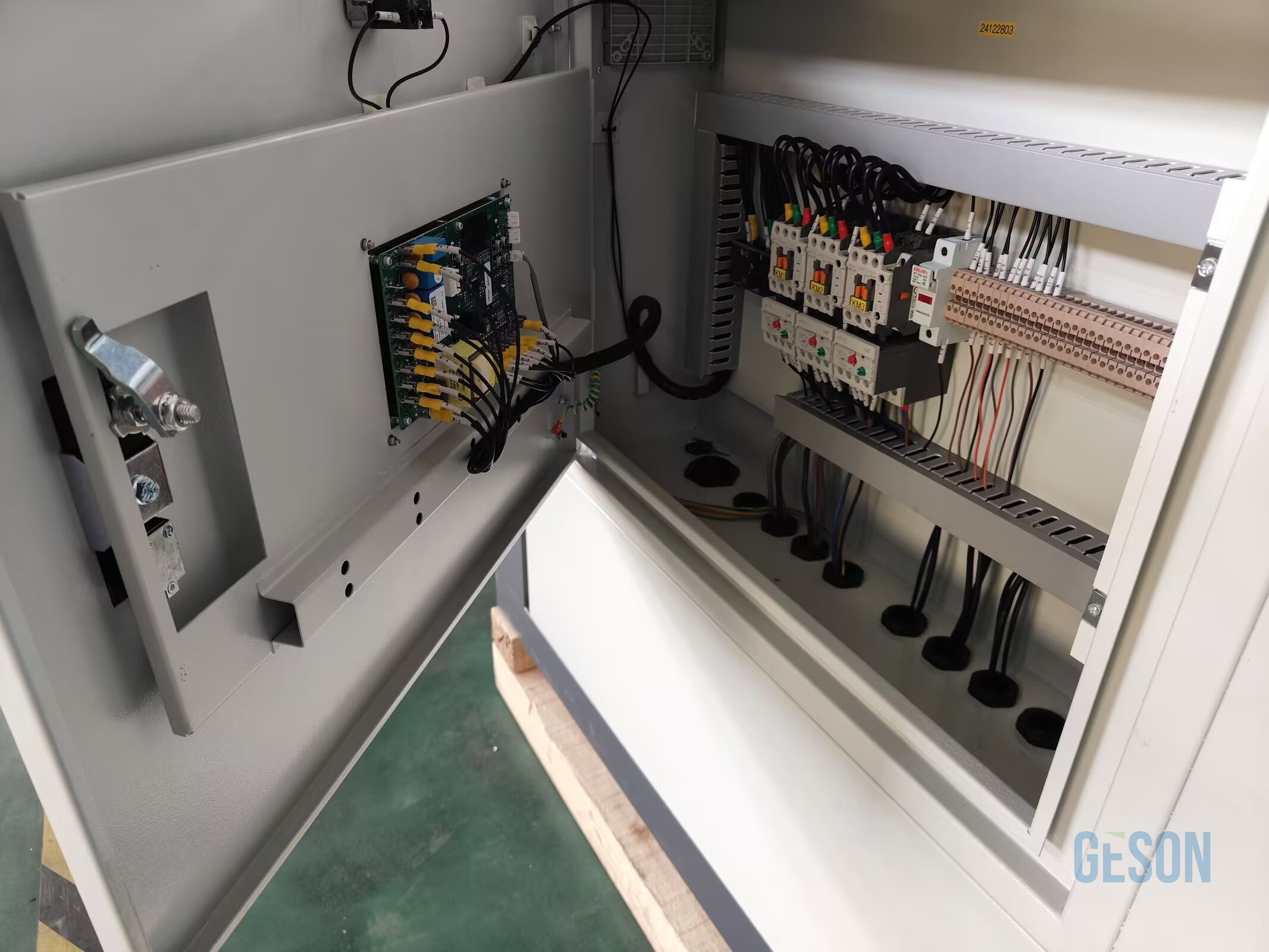
Top Quality Electrical Components:
Famous Brand A.C Contactor, Relay, Thermal Protector,
Brand Pressure Controller, Filter Drier to Ensure the Reliability of the Industrial Water Chiller Unit
AC Contactor
High-Efficiency Copper and Aluminum Fins Condenser:
Heat Transfer Performance is Good, Stable, Air Resistance is Small.
Enhance the Efficiency of the Heat Exchanging
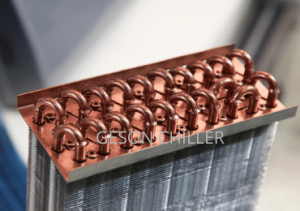
High efficiency copper pipe and aluminum fins heat exchanger.

Geson Injection Molding Chiller — Complete Selection Guide

Geson manufactures injection molding chillers from 2RT to 200RT for plastic processing applications including injection moulding, extrusion, blow moulding, and film blowing. Available in air cooled scroll configurations and water cooled configurations, with built-in pump and tank options for simple installation. Lead time: 30 working days.

Request a quotation →


Chiller Selection by Plastic Process

Process Cooling Requirement Recommended Chiller Typical Capacity
Injection moulding Mould cooling, hydraulic oil cooling, barrel throat cooling Air cooled scroll chiller with built-in pump and tank 2RT – 60RT per machine
Plastic extrusion Water bath cooling, calibration table, barrel cooling Air cooled or water cooled scroll/screw chiller 10RT – 150RT
Blow moulding Mould cavity cooling, preform cooling Air cooled scroll chiller 5RT – 50RT per machine
Film blowing Air ring cooling water supply, die cooling Air cooled scroll chiller 5RT – 30RT
Multi-machine central system Central chilled water supply to multiple machines Water cooled screw chiller + distribution manifold 50RT – 300RT+
PVC pipe extrusion Water bath, vacuum sizing, barrel cooling Water cooled screw chiller 50RT – 300RT

Chilled Water Temperature Guide for Plastics

Application Recommended Chilled Water Temp Notes
Injection mould cooling (general) 10°C – 15°C Most common — prevents condensation on moulds
Injection mould cooling (precision) 7°C – 10°C For tight dimensional tolerances
Hydraulic oil cooling 25°C – 30°C Separate circuit — higher temperature acceptable
Extrusion water bath 10°C – 20°C Depends on material and line speed
PVC pipe sizing/calibration 12°C – 18°C Warmer water reduces internal stress in pipe wall
Film blowing air ring 7°C – 12°C Lower temperature improves bubble stability

Important: For chilled water temperatures below 10°C in humid climates, condensation on mould surfaces can cause surface defects on the moulded part. Always consult with your chiller supplier on the correct setpoint for your material and environment.


Air Cooled vs Water Cooled for Plastic Processing

Factor Air Cooled Scroll Chiller Water Cooled Chiller
Installation Simple — no cooling tower needed Requires cooling tower + condenser pump
Upfront cost Lower Higher
Best capacity range 2RT – 100RT (single machine or small group) 50RT – 300RT+ (central system, multiple machines)
Energy efficiency Good Better — lower operating cost for large systems
High ambient performance Reduced above 35°C ambient Stable — not affected by outdoor temp
Recommended for Individual machine cooling, small factories, outdoor placement Central cooling systems, large factories, multiple production lines

Real Project References — Plastics Industry

Year Country Process System Supplied
2025 Bangladesh PVC pipe extrusion Water cooled screw chiller 750kW/213RT, Hanbell compressor + cooling tower + pumps, full skid package
2023 Oman PVC injection moulding Water cooled screw chiller 155kW/44RT, 12/7°C, R407C, 440V/50Hz + cooling tower + pumps
2023 Oman Plastic extrusion machinery Water cooled screw chiller 282kW/80RT, 12/7°C, R407C, 440V/50Hz + cooling tower
2025 Vietnam Plastics manufacturing Air cooled scroll chiller 300kW/85RT
2020 Russia Plastic extrusion (800kg/h line) Air cooled scroll chiller 65.4kW/18.6RT, R22, 3P-380V-50Hz

How to Size a Chiller for Injection Moulding

The standard formula for injection moulding chiller sizing:

Q (kW) = W × C × ΔT × S ÷ 860

  • W = weight of plastic material processed per hour (kg/h)
  • C = specific heat of plastic material (kcal/kg°C)
  • ΔT = temperature difference between melt temperature and mould temperature (°C)
  • S = safety factor (typically 1.5–2.0)

Common plastic specific heat values:

Material Melt Temp (°C) Mould Temp (°C) Specific Heat (kcal/kg°C)
Polyethylene (PE) 160–310 0–70 0.55
Polypropylene (PP) 200–280 0–80 0.48
Polystyrene (PS) 185–250 0–60 0.35
ABS 180–260 40–80 0.40
Polycarbonate (PC) 280–320 70–130 0.30
Nylon (PA) 230–300 25–70 0.58
PVC 160–190 20–60 0.25

Not sure how to calculate your chiller size? Contact Geson engineering with your material type, shot weight, and cycle time — we will calculate the correct chiller capacity and provide a formal quotation within 24 hours.


Frequently Asked Questions

What size chiller do I need for injection moulding?

Chiller sizing for injection moulding depends on the plastic material, shot weight, cycle time, and mould temperature requirements. As a general rule of thumb: 1 ton (3.5kW) of cooling capacity is sufficient for approximately 35–65 lbs/hour of plastic, depending on the material. For accurate sizing, use the formula Q = W × C × ΔT × S ÷ 860, or contact Geson engineering with your process parameters for a calculated recommendation.

What temperature should chilled water be for injection moulding?

The standard chilled water supply temperature for injection mould cooling is 10°C to 15°C — this is cold enough for effective cooling while avoiding condensation on mould surfaces in most climates. For precision moulds requiring tight dimensional tolerances, 7°C to 10°C may be used. For hydraulic oil cooling (a separate circuit on larger machines), 25°C to 30°C is typically sufficient.

Can one chiller cool multiple injection moulding machines?

Yes. A central chilled water system with one or more larger chillers feeding a distribution manifold is the most efficient approach for factories with multiple injection moulding machines. This reduces the total installed chiller capacity needed (diversity factor applies), simplifies maintenance, and lowers energy consumption compared to individual chillers per machine. Geson can design and supply complete central chilled water systems including the chiller, pumps, buffer tank, distribution manifold, and electrical control panel.

Should I choose air cooled or water cooled for injection moulding?

For individual machine cooling (2RT–50RT), air cooled scroll chillers are the most popular choice — lower upfront cost, simpler installation, no cooling tower required. For central systems cooling multiple machines (50RT+), water cooled screw chillers deliver better energy efficiency and lower operating cost, justifying the additional cost of the cooling tower over the equipment’s lifetime. In high ambient temperature environments (Middle East, Southeast Asia), water cooled systems are strongly preferred because air cooled capacity decreases significantly above 35°C.

Do injection moulding chillers come with a built-in pump and tank?

Yes. Geson air cooled scroll chillers for injection moulding are available with a built-in chilled water pump and stainless steel buffer tank as standard — the unit connects directly to the mould cooling circuit without any additional components. This is the most popular configuration for individual machine installations. For larger central systems, separate pump skids and buffer tanks are supplied as part of the complete system package.

What refrigerant is used in injection moulding chillers?

Geson injection moulding chillers are available with R407C, R410A, R134A, and R454B. R410A and R407C are the most common choices for standard mould cooling applications (5°C to 15°C setpoint). R454B is the recommended choice for new equipment under EPA AIM Act regulations in the US.

What is the lead time for a Geson injection moulding chiller?

Standard scroll chiller configurations: 30 working days. Larger screw chiller systems or skid-mounted packages: 45 working days. Delivery by sea to most ports worldwide; wooden case packaging with transportation insurance included.


Related Products & Resources

Injection Molding Chillers Manufacturer | Geson Chiller

This information will help you in getting the best Injection Molding Chiller.

Indeed, it identifies everything.

That you have been searching for.

Hence, it includes version, kind, advantages, price, and maintenance, among other important points.

So before you buy a Chiller Plant For Injection Molding machine, go through this guide.

Injection Molding Chillers

Injection Molding Chillers

The working principle of the injection molding chiller units:

After the plastic pellets are injected into the mold after heating and melting in the injection molding machine to condense, the mold is opened to eject the molded plastic workpiece.

In the continuous production process, the chilled water system of the chiller is required to cool the mold to shorten the plastic condensing time and improve the dimensional accuracy of the workpiece.

Molding quality and surface quality, this is the working principle of injection molding water chillers, injection molding water cooled chillers generally use water-cooled box chillers.

If the chiller is applied to the cooling cycle of molding molds of plastic processing machinery, it can greatly improve the surface finish of plastic industry products, reduce the surface marks and internal stress of plastic industry products, make the products do not shrink or deform, facilitate the demolding of plastic products, and accelerate product shaping.

Thereby greatly improving the production efficiency of the plastic molding machine;

Portable Chillers For Injection Molding

Portablechiller for injection molding

What is a Chiller?

A chiller is an appliance that eliminates heat from a fluid through different methods.

They include vapor-compression, adsorption refrigeration, or absorption refrigeration cycles.

Moreover, this fluid can then be transferred through a heat exchanger to cool processing equipment or another process stream. i.e., air or process water

 Chiller For Injection Molding Machine

Chiller For Injection Molding Machine

· What are the components of a Chiller?

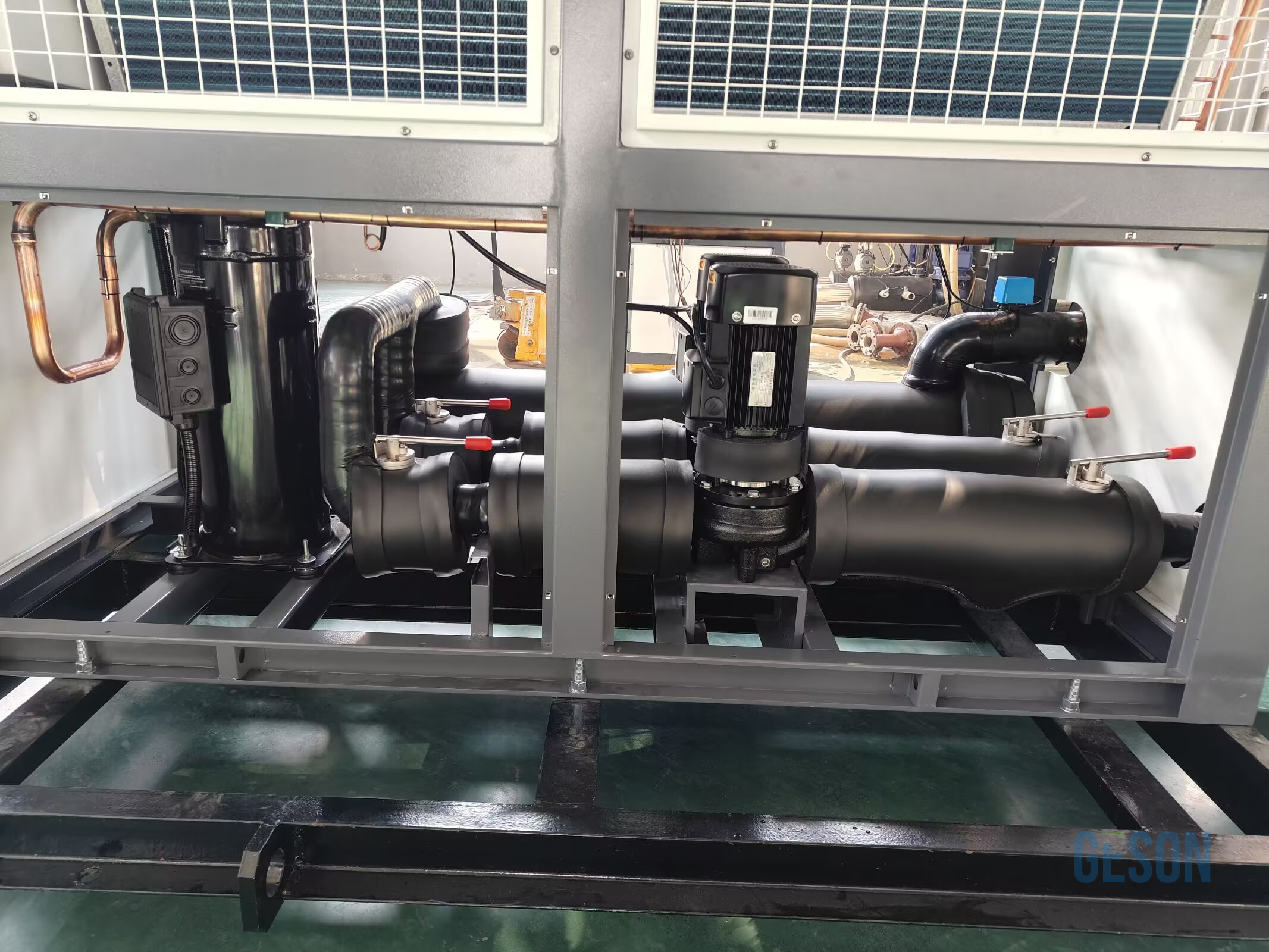
Following are the major components of a Chiller

  1. Compressor,
  2. Condenser,
  3. Evaporator,
  4. Expansion Valve,
  5. PowerPanel,
  6. Control unit,
  7. WaterBox,

chiller system basics

Chiller system basics

· What is the principle of an Injection Molding Chiller?

A chiller performs on the principle of vapor-compression or vapor absorption closed loop.

Thus, the heat transfer takes place, the refrigerant evaporates, changing from a low-pressure fluid into a vapor.

While the Blow Molding and Molding Water proper cooling temperature of the process coolant decreases.

The refrigerant then moves to a compressor, which executes multiple functions.

How does Water Chiller Units cool the Mould.

The injection mold chiller is cooling cycle device for the injection mold machines.

The blow molding and injection molding machine cooling requirements chilled water flow rate with precise proper cooling temperature.

Injection mold coolers inject the cooling water into the mold body.

The low temperature chilled water flow rate is generated by the small process chillers.

Low-temperature water is pressurized and poured into the mold body through the booster pump to improve the cooling efficiency.

There is a pressure regulating valve on the booster pump,

The pressure regulating valve can adjust the pressure of the water flow into the injection mold, So that the cooling effect can be control;

The cooling temperature can be controlled.

· What are the kinds of a Chiller?

There are two kinds of a Chiller.

They are:

  • Compression Chillers
  • Absorption Chillers

Air Cooled Chiller Diagram

Air Chiller Diagram

What is Drooling in Water Cooling System For Molding?

When nozzles are pushed away from the mold after injection, blow molding has been processed out.

Thus, the drizzle of plastic from the sprue gate occurs.

Hence, this drizzle of plastic is usually called drooling.

Moreover, it is caused by residual pressure stored in the sprue and runner.

Water Chiller For Injection Molding Machine

Water Chiller For Injection Molding Machine

How to do the water treatment in the plastic injection molding system?

When the efficiency of the chiller cooing is low, it is possible because of the scale formation.

You need to do the water treatment for the plastic injection molding chiller.

· Can ABS be injection molded?

ABS is a thermoplastic matter.

Thus, it is known for its high impact resistance and rigidity.

Furthermore, it has good resistance to scratching and toughness with excellent dimensional reliability.

However, due to these thermoplastic features, ABS is easily plastic injection molded.

Chiller Plant

Chiller Plant

General Plastic Manufacturing Mold Cooling

General Plastic Manufacturing Mold Cooling

Mold Chiller

Mold Chiller

· What is the switchover position in an Injection Molding Chiller?

The switchover position is the ram position where the injection position switches to the packing part.

However, the cushion length is the distance from the switchover position to the farthest place that the end of the screw can reach.

· What is mold temperature controller in blow molding and Injection molding?

For injection-molding processing of PTT melt, and blow molding Water Temperature Control, recommend being between 232–260°C and 88–121°C, respectively.

· What is tonnage in an Chiller?

The “tonnage” is the calculation of energy needed to keep the tool closed during the injection.

Thus, this energy is the main component in determining the molding appliance size needed for producing the processing equipment.

· How do you calculate tonnage in Plastic Chillers?

The foremost step in calculating accurate clamp tonnage is to measure the surface area of the part.

However, this means achieving the space’s square inch area by multiplying the length by the width.

Moreover, if it is a multi-space mold?

Then, multiply the number by the number of cavities.

·

· How do you modulate air bubbles in an Injection Molding Machine?

In contrast, use a heat gun or something familiar.

Then as you gently heat the area of the component where the bubble is formed.

Thus, the state of the bubble should change.

So, if it is a gas bubble?

The gas will heat up and expand.

Moreover, it raises the surface and often will pop as the part surface gets smooths.

How To Calculate Btu/hr For Chiller?

How to convert the hp and btu of the chiller? The conversion relationship of the cooling capacity unit is as follows:

1 kcal/h (kcal/hour) = 1.163W, 1 W = 0.8598 kcal/h;

1 Btu/h (British thermal unit/hour) = 0.2931W, 1 W = 3.412 Btu/h;

1 USRT (United States cold tons) = 3.517 kW, 1 kW = 0.28434 USRT;

1 kcal/h = 3.968 Btu/h, 1 Btu/h = 0.252 kcal/h;

1 USRT = 3024 kcal/h, 10000 kcal/h = 3.3069 USRT;

1 horse = 2.5 kW (for air-cooled units), 1 horse = 3 kW (for water-cooled units)

Description:

When “hp” is used as a power unit, it is expressed by Hp (imperial horses) or Ps (metric horses), also known as “horsepower”, 1 Hp (imperial horses) = 0.7457 kW, 1 Ps (metric horses) = 0.735 kW;

· How do you set specifications of an Injection Molding Chiller?

  • Set injection velocity from slow
  • Fixed screw revolving velocity from low
  • Set mold open/close velocity slowly at first
  • Set injection proportion from a short position.
  • Set prolonged pressure holding time of molding appliance at first
  • Set a long cooling time at first.
Figure 1 Injection Molding Chiller

Figure 1 Injection Molding Chiller

· How do you calculate clamping force in an Injection Molding Machine?

Clamping force is often calculated in the following ways:

  1. Empirical FormulaClamping force (T) = clamping force constant Kp * product projected area S (CM * CM).
  2. Empirical Formula 350bar*S(cm^2)/1000.
  3. It is calculated using CAE software.

· What are the disadvantages of an Molding?

Disadvantages of an Molding are:

  • High tooling expenses and long set up lead times:

Up-front expenses are high due to the style, assessing, and tooling needed.

Firstly, there is the initial creation and prototyping.

Then the design of a prototype mold tool to produce copies of the component in proportion.

Lastly, and only after massive testing during both steps, you can finally get injection mold a component.

  • Part design limitations:

Components must be created with injection molding consideration and must follow the fundamentals of injection molding.

For instance:

  • Prevent undercuts and sharp borders as much as possible
  • Use regular wall thicknesses to avoid inconsistencies in the cooling process resulting in issues like sink marks.
  • Draft angles are recommended for better de-molding.
  • Small runs of components can be expensive:

Due to the intricacy of processing equipment, and the need to rid the appliance of all previous material before the next product can be produced, the setup time can be too long.

Therefore small runs of parts have typically always been thought of as too costly to injection mold.

· Why is hydraulic heat exchanger used in an Chiller?

Injection Molding Chillers have a hydraulic heat exchanger mechanism.

Thus, that must give reliable execution through many years of constant, around-the-clock production cycling.

Moreover, there is also a requirement for energy control sub-circuits.

Thus, to keep the nozzle against the sprue of the mold and to keep the mold closed.

· What polymers are used in an Injection Molding Machine?

Generally, plastic injection molders use thermoplastics.

However, regular polymers used by molders are:

  • Acrylonitrile Butadiene Styrene (ABS),
  • Polyethylene,
  • Polycarbonate,
  • Polyamide
  • Polypropylene.

·

What Are Portable Chillers For Injection Molding?

Plastic Chiller For Injection Mold Cooling

Plastic Chiller For Injection Mold Cooling

The use of a chiller for injection molding machines is one of the technological breakthroughs in the plastic industry. It is crucial to be able to mass-produce the components of plastic furniture.

In order to succeed with this manufacturing process, it requires precision and accuracy. Speed is also important.

The cooling process with the help of a small water cooled chiller chiller is crucial. In fact, experts believe that the use of water cooling system for injection molding makes up 80% of the molding process.

The use of an efficient water cooled chiller can significantly reduce the amount of time spent for each batch. It is important to evaluate your cooling needs so you can invest in the right system.

How Do You Choose Chillers For Injection Molding?

The process of cooling molten plastic is straightforward and easy to comprehend. However, it has many variables.

The main objective for choosing water cooled chiller industrial use is to find the right fit for the job. Different sized jobs have different cooling requirements.

There are 1 ton chiller, 2 ton chiller, 3 ton chiller, 10 ton chiller, 20 ton chiller, 50 ton chiller, 60 ton chiller, 100 ton chiller, 200 ton chiller, 500 ton chiller.

You can maximize your time by choosing the right chillers for injection molding.

The most important factors to consider when choosing which portable air chiller to invest in are: melting point, heat distortion temperature (HDT), desired mold temperature controller, cooling power, and the availability of space.

portable chiller unit

Portable Chiller Unit

Why Is Melting Point Important When Selecting Chiller For Injection Molding Machine?

The melting point of the plastic is an important factor to consider when choosing water mold cooling system for injection molding.

You need to understand that there are different melting points for every type of plastic. The first step is, therefore, to know what type of plastic you are working with.

It is something that you need to evaluate prior to starting the cooling process. To give you an idea, it is important to look at the types of plastic and their corresponding melting points.

Polypropylene is one of the most common types of plastic in the market. It has a melting point of 160 degrees Celsius.

Low-density polyethylene is another common type of plastic for injection molding. It has a very high melting point that can go up to 240 degrees Celsius.

Next is the high density polyethylene plastic with a melting point of up to 270 degrees Celsius.

Polycarbonate is the type of plastic with the highest melting point at 287 degrees Celsius.

It is also important to note that the melting point of plastic might vary from one manufacturer to another. Before you handle with these plastic materials, it is important to consult the manufacturer first.

Aside from knowing the heating needs of the plastic, you need to know about your goal temperature so you can decide the right portable chillers for injection molding.

Why Do You Need To Know The Heat Distortion Temperature?

The heat distortion temperature is another factor that must be taken into account when choosing air cooled portable chiller.

You need to research on the HDT range for your plastic to help you choose the right small portable chiller for the job.

Ideally, you need to chill plastic components before they reach the HDT range. If not, then the plastic components could easily deform once you take it out of the injection mold.

There are many factors within the plastic components themselves that would determine the HDT such as the composition of the plastic itself, pressure in the mold, and the molten density.

You need to talk with the plastic manufacturer so you can get the exact gauge on this and choose the right portable chillers for injection molding.

Chiller For Injection Molding

Chiller For Injection Molding

What Is The Importance Of Your Goal Temperature?

To help you decide on the best water cooling system for injection molding, you need to know the desired temperature for heating.

There is more to plastic chilling than just blasting your plastic components with cooling as soon as possible. You need to be able to optimize your temperature targets in the most efficient manner possible.

Again, you must refer to the plastic manufacturer, to learn the ideal heating and cooling temperature for the components.

This information is vital in putting together a chiller plant for injection molding machine or buying injection molding chillers.

Knowing your temperature target will enable you to select the right mold temperature so you can select your portable air chiller accordingly.

By knowing and achieving the ideal mold temperature controller, you can match that with the injecting molding chillers that can deliver such cooling capacity.

As a result, the plastic can cool and crystallize efficiently once it is molded. This will prevent cracking, seeping plastic, deformities, cavity formation, and other defects with the injection molding process chiller.

What Is The Cooling Power For In Injection Molding Chillers in the Injection Molding Process?

There are several different sizes and injection mold cooling process capacities available with portable chillers for molding cycle. They are often measured out in “tons”.

You need to look at the “tons” when comparing chiller sizes for molding cycle with plastic. It does not refer to the actual weight of the industrial chiller units.

Instead, tons indicate the horsepower of the portable chillers industrial molding. It refers to the refrigeration cooling capacity of the unit.

For example, 1 ton of injection mold cooling process power can deliver safe ejection temperature for 35 lbs per hour for polypropylene plastic or 65 lbs per hour for polycarbonate plastic.

As a general rule, 1 ton of cooling power should be enough to cool and complete the molding cycle for most types of plastic. It is something to consider when shopping around for portable chillers for injection molding process.

How Much Space Is Available?

Just as there are different sizes of injection molding chillers, they also differ in terms of actual size.

The injection molding process equipment is bulky. It can take up a lot of floor space in the factory. This is something to think about when choosing portable air chiller systems.

You need to know how much space is available for injection molding process so that you can size the chiller accordingly.

Water cooling system for molding cycle take up more space than air cooled portable chiller. This is because the former will require the use of cooling towers.

It is also the reason why a portable air chiller makes most sense in this injection molding applications. Since it is not fixed into position, you can free up the space once you are done with injection molding.

chiller package unit small space

Chiller Package Unit Small Space

What Else Require Cooling During Injection Molding?

Relying on portable chillers for injection molding has its own benefits that will facilitate ease of plastic manufacturing.

There are also certain limitations to the cooling capacity of a portable air chiller. It might not be enough to provide the cooling you need.

You need to keep in mind that during the plastic processing, the injection molding equipment is not the only one that will require chilled water injection mold cooling process. There will be other processing equipment that will be in use that will generate heat in the water loop.

During plastic molding, refer to the temperature to the process, the following equipment must be cooled as well: hydraulic heat exchanger motor, feed throat, thermometer, dryer aftercooler, and hot runners.

It is important to determine how much the equipment would heat up during plastic molding. This will enable you to choose the best chiller plant for plastic molding machine and other equipment.

Chiller Plant

Chiller Plant

What Features Do You Look For In Portable Chillers For Injection Molding Process Cooling?

General Plastic Manufacturing Mold Cooling

General Plastic Manufacturing Mold Cooling

The best way to choose the best portable chillers for plastic molding is to look at the features you need.

Make sure that the small portable chiller you buy has the following features: quiet compressor, Screw compressor, scroll compressor, recirculation, efficient cooling fluids, precise temperature controls, customization, and flexible temperature ranges.

screw compressor

Screw Compressor

A quiet compressor is a must when choosing the best portable chillers for plastic molding. This is important so you can reduce the noise within the plastic molding facility.

If you are looking for injection molding chillers with a quiet compressor, make sure to avoid reciprocating compressors. They are the loudest to operate when compared to other types of compressors.

injection molding chillers

Injection Molding Chillers

Scroll Compressor

Scroll Compressor

The ability to precisely control temperature is another important factor to consider when buying injection molding chillers.

It goes without saying that getting your temperature right is vital to the success of injection molding in plastic. You will be able to be efficient with plastic molding if you control the temperature correctly.

The efficiency of the cooling fluids for water or air-cooled chiller is also important. The best cooling fluids for this purpose, are those with water and glycerol since they facilitate in effectively removing waste heat.

Chiller System Basics

Chiller System Basics

Flexible temperature ranges is also an important consideration when buying chiller for injection molding machine. There are several areas that plastic molding can go wrong. However, these variables are highly dependent on the temperature.

The ability to control the temperature during the plastic cooling process is important. This will enable you to achieve the optimum cooling requirement based on the plastic selection.

Finally, you want a water chiller for injection molding machine that can be easily customized. Each injection molding job is unique. Make sure you can tweak the controls and the function of the chiller to suit your needs.

Industrial Water Chiller

Industrial Water Chiller

What Are The Benefits Of Plastic Cooling With Chillers?

The use of cooling technology is definitely a game-changer when it comes to the plastics industry.

This innovation has brought about many benefits in terms of how plastic products are manufactured.

First off, it has helped reduce cooling times so that it can speed up the manufacturing process cooling. With less cooling time, it means you can mold more plastic in the same amount of time.

Water Cooling Tower

Water Cooling Towers

It can also deliver better quality for your molded components. By efficiently cooling the plastic, you can reduce the possibility of having defects on the plastic material once you take it out of the mold.

The final advantage of using water cooled chiller for injection molding is the reduced costs and higher efficiency. There will be less waste and the processes can be accomplished using a shorter amount of time.

Is Water Or Air Chilled Cooler Better For Injection Molding?

There are two systems to choose from when it comes to choosing a water cooled chiller for injection molding machine: water- or air-cooled chiller, also can use cooling towers.

The decision on which of the two systems to buy will depend on your own needs as there will be certain benefits and drawbacks for each system.

Air Cooled Chiller Diagram

Air Cooled Chiller Diagram

Injection molding is a complex process, one of the basic requirements of plastic injection molding is proper cooling, for which we mainly use water. Chilled water is often the preferred coolant because of its low cost, excellent heat transfer properties, and easy availability.

– The water used to cool our injection molding machines must be chemically treated to prevent bacterial growth, scaling or contamination of the entire system.

Two water treatment methods: The first is a tower system that maintains the water temperature around 70 o – 90 o F. This system is used to keep the machine at a safe operating temperature. The machine must be cooled to maintain maximum oil temperature and reduce feed inlet temperature. The feed port is where the plastic is fed into the heated barrel, and the temperature needs to be controlled to prevent premature melting of the plastic as it transitions from solid to molten plastic.

The second is the cooling water system, which is maintained at a more stable 50 o F temperature. The system is used to cool tools. Chilled water is directed through molds and tooling to remove heat from the injected plastic as quickly as possible. Cooling is often the longest part of a production cycle, so reducing wait times is beneficial. In most cases, we try to bring the plastic down from about 500 o F to 100 o F to 140 o F as quickly as possible.

GESON 120 ton chiller system to improve cold water distribution throughout the plant. This system helps maintain a consistent 50 o F water temperature distribution throughout the facility and provides our tools when needed.

To achieve the optimum mold temperature, possibly higher than the chilled water supply temperature, we use a mold thermostat, which increases the water temperature in a small closed loop system that pumps water through the mold. Using these, we can run different temperatures at each machine location. Each thermostat has a separate valve that lets in a small amount of cold water and releases some hot water to maintain a stable temperature.

The process water temperature is different for each mold and is determined by a number of variables. The wall thickness of the part, dimensional requirements, the type of resin used, and dimensional factors in the mold design can all affect the process water temperature.

Extreme conditions sometimes call for temperatures too high to use tap water safely. In these cases, we would use a hot oil thermostat and then use chilled water to maintain the temperature of these oil units through a heat exchanger.

The water cooled chiller is the more cost-efficient of the two. While the air-cooled chiller costs less to initial setup, the water cooled chiller will offer more savings in the long run.

It is also important to note that water cooled chillers will require the installation of a cooling towers. Take this additional cost to mind when choosing what water cooled chiller system to use for plastic molding.

Air Chilled Cooler

Air Chilled Cooler

Contact us to more information.

Send Your Inquiry Today

Contact Us Now

    All Types of Industrial Water Chiller Products
    Modular Air Chiller

    Modular Air Chiller

    Air Source Heat Pump

    Air Source Heat Pump

    Water Source Heat Pump
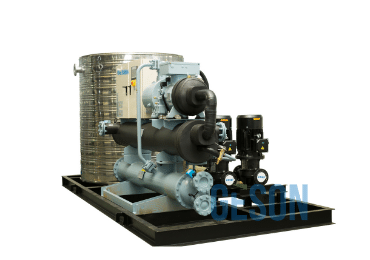
    Water Source Heat Pump
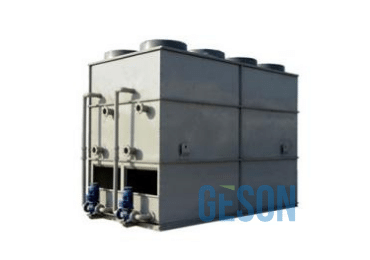
    Water Tower

    Water Cooling Tower

    Chiller AC

    Air Coditioning Chiller